
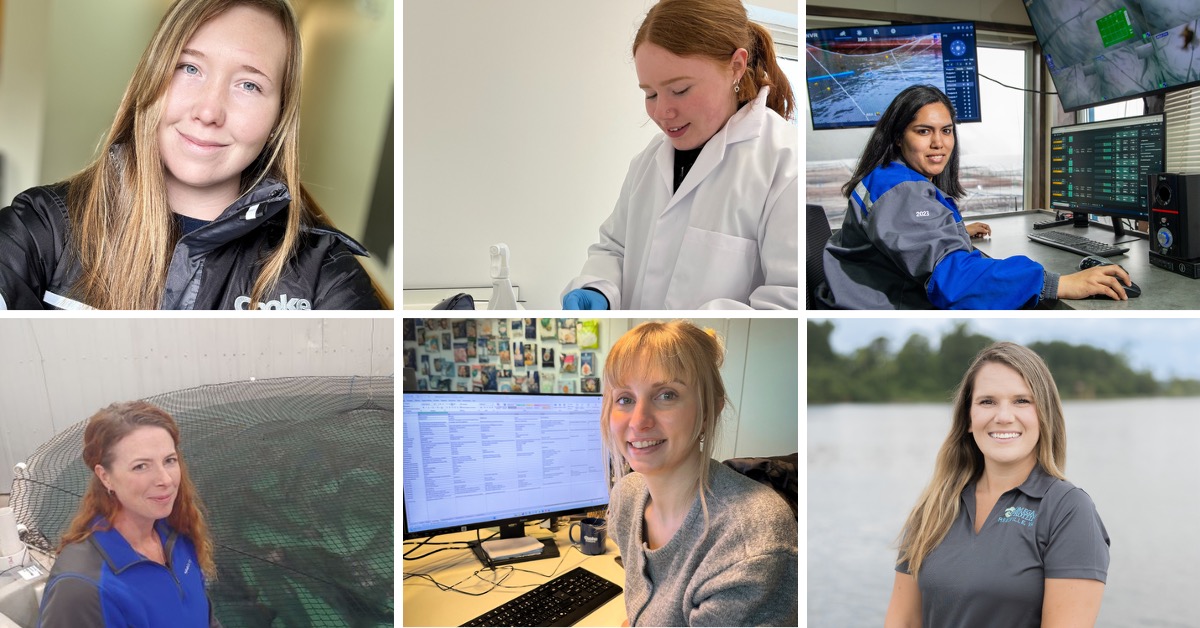
Today, on the International Day of Women and Girls in Science, we celebrate the women across our global operations whose curiosity, innovation, and dedication strengthen our industry every day. This day reminds us of the importance of empowering girls to explore scientific fields, fostering inclusive workplaces, and championing diverse perspectives that drive discovery and progress.
This year, we asked women working in science‑related roles throughout our global family of companies to share their encouragement and advice for girls and women considering a future in science.
Jessica Ambrose
Fish Health Technician
Cooke USA – Maine
“A career in science can be so rewarding and fulfilling! There is always more to learn, things to improve, and discoveries to make—making it a never‑ending job and one that gives you purpose. I know that the data I collect makes a difference and informs decisions.
If you are curious, thoughtful, observant, or passionate, science needs you! You may find yourself in spaces where people say you don’t belong, but I’m here to tell you that you absolutely do.”
Hannah Long
Director of Environmental Affairs
Omega Protein – Virginia, USA
“Don’t let anyone convince you that a career in science isn’t for you. Your interests, ideas, and questions belong there just as much as anyone else’s. Always let your voice be heard.
Science fields require diverse perspectives to solve real problems, and speaking up can lead to discoveries capable of big changes.
Pursue your interests and dreams, even if they aren’t considered the norm for women—progress can only happen when someone is brave enough to do something different. Believe in your abilities, stay persistent, and remember that the path you create may inspire the next generation of girls to follow.”
Lucrezia Rolla
Fish Health Officer
Tassal Barramundi Farm – Cone Bay, Western Australia
“Science is absolutely essential for the future of aquaculture. Without science, there’s no informed decision‑making—especially when it comes to handling and farming fish sustainably. It guides everything from welfare practices to environmental management and helps us understand how to farm smarter. Every bit of knowledge gained supports healthier fish, better welfare, and more responsible farming practices. It’s rewarding to know that science can shape a better future for aquaculture.
Don’t be afraid to say what you think and stand your ground. Stay curious, speak up, and always ask questions—your perspective matters.”
Mattie Geddes
Technician
Springdale Hatchery – New Brunswick, Canada
“I came into the world of aquaculture with little knowledge about salmon—I was simply looking for a change of scenery. Thanks to great co‑workers, I have learned so much in the last three years working with Cooke Aquaculture. I strive to learn more every day. Don’t be afraid to take the leap and dive into the world of aquaculture.”
Dawn Runighan
Hatchery & Technical Manager
Kelly Cove Salmon – Prince Edward Island, Canada
“My favourite saying is, ‘There is no such thing as a stupid question.’
A career in science offers endless possibilities. Explore your options, ask lots of questions, and if you have the opportunity to visit different workplaces, it is highly recommended.
In aquaculture, science is fundamental. Understanding fish biology, water chemistry, physics, and research and development has built the industry into what it is today—and we are still learning new things every day.”
Gerdy Ramakers
Technical Product Developer
Bioriginal Europe – Den Bommel, The Netherlands
“Your ideas and curiosity matter, and the field needs people with different perspectives—including yours.”
Céline Pollet
Product Coordinator
Cooke Europe – Oostende, Belgium
“In my career, I’ve learned that precision and clear communication are essential to making an impact, especially in roles that bridge science and operations. For young girls considering a future in science: you can’t manage what you don’t measure, so let your curiosity guide you.”
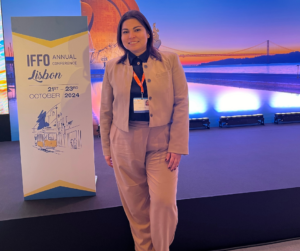
Sonia Casanova
Head of Commercial Intelligence and Market Development
Copeinca – Lima, Peru
“Cree en tu capacidad de innovación, confía en tu perspectiva y atrévete a darte un espacio. La ciencia necesita ideas audaces, y las mujeres son innovadoras por naturaleza. Nuestra fuerza no reside solo en el conocimiento, sino también en la creatividad, la resiliencia y la valentía para imaginar mejores soluciones. Si eres curiosa, si te gusta crear, cuestionar y mejorar el mundo que te rodea, la ciencia te ofrecerá muchas oportunidades para hacerlo.”
“Believe in your ability to innovate, trust your perspective, and dare to take space. Science needs bold ideas, and women are natural innovators. Our strength lies not only in knowledge, but in creativity, resilience, and the courage to imagine better solutions. If you are curious—if you like to create, question, and improve the world around you—science will offer many opportunities to do so.”
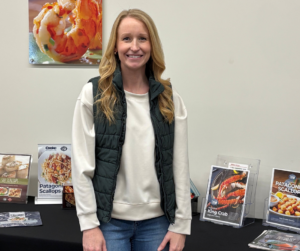
Laura Harris
Plant Manager
Wanchese Fish Co. – Virginia, USA
“Having a science background provides the building blocks for so many career opportunities. Always be open to new opportunities, even if they are outside your comfort zone. Stepping outside of your comfort zone will almost always benefit you and help you become a valued and prominent member of any team.”
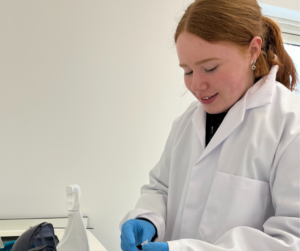
Amy Davidson
Fish Health Assistant
Cooke Scotland
“Science is incredibly varied, with so many different paths to explore depending on what interests you. You should never feel discouraged when you’re just starting out—it’s all about learning from experience and finding your way as you go. Remember that science thrives on different perspectives, and the field is stronger with you in it!”
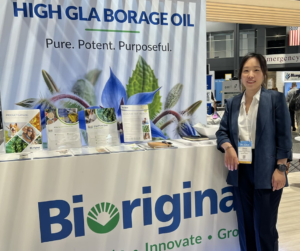
Lianjun (Grace) Zhao
Research Associate, Oils & Fats
POS Biosciences – Saskatoon, Canada
“You don’t need to have everything figured out to belong in science. Confidence grows with practice, not perfection. Stay curious, ask questions, make mistakes, keep learning—and know that you are making science better every step of the way.”
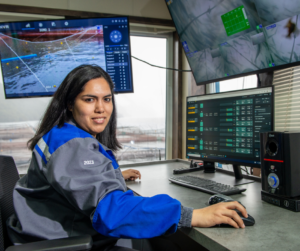
Ivanna Bustamante
Site Assistant
Cooke Chile
“To the women who are thinking about their future, I want to speak from my own experience. I studied Fisheries Engineering in Peru, and today I work professionally as a Site Assistant at Cooke Chile, in an industry that for many years was led by men—but that is no longer the case.
Every day I confirm that our contribution in the field of science is essential, because we have a different way of observing, analyzing, and solving problems.
I encourage you to dare to choose careers in science, because there are no limits when there is commitment, passion, and perseverance.”